
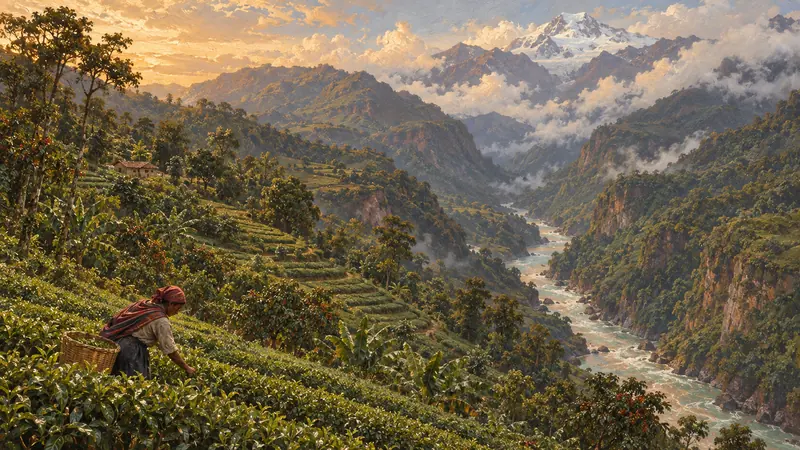
The road north from Cusco crosses cold Andean passes and drops suddenly into green. Orchids appear. Bananas replace grass. Coffee, cacao, citrus and tea share the slopes. The Lucumayo runs through the middle of this transition before joining the Urubamba system on its way toward the Amazon.
Near the river lies Huyro, in the district of Huayopata. Peru's government was already reporting successful tea trials there in 1913. For much of the twentieth century, Huyro tea was an important regional industry. Then the cooperatives weakened, factories closed and the leaf almost vanished from view outside Peru.
Tea arrives in the cloud forest
Tea came to La Convención as farmers looked for alternatives to coca. A presidential message from 1913 described tea acclimatised at the Huyro estate at about 1,200 metres, with green and black samples sent abroad for evaluation.
The location made sense. Huayopata contains many elevations and microclimates in a small area. Warm days, heavy seasonal rain and cool mountain nights support vigorous tea growth. The Lucumayo and its tributaries supply irrigation and carve steep, well-drained slopes above the valley floor.

The factory and the cooperatives
Peru built an early black-tea factory at Tingo María in the 1940s; a similar factory opened at Huyro in 1943. Over time, small growers organised into cooperatives and tea became a source of work and cash income across the valley.
The crop was made largely as robust black tea for the domestic market. Huyro became so closely associated with it that official documents call Huayopata a traditional production zone for aromatic Huyro tea, and local government uses the phrase “national capital of tea.”
Why the industry faded
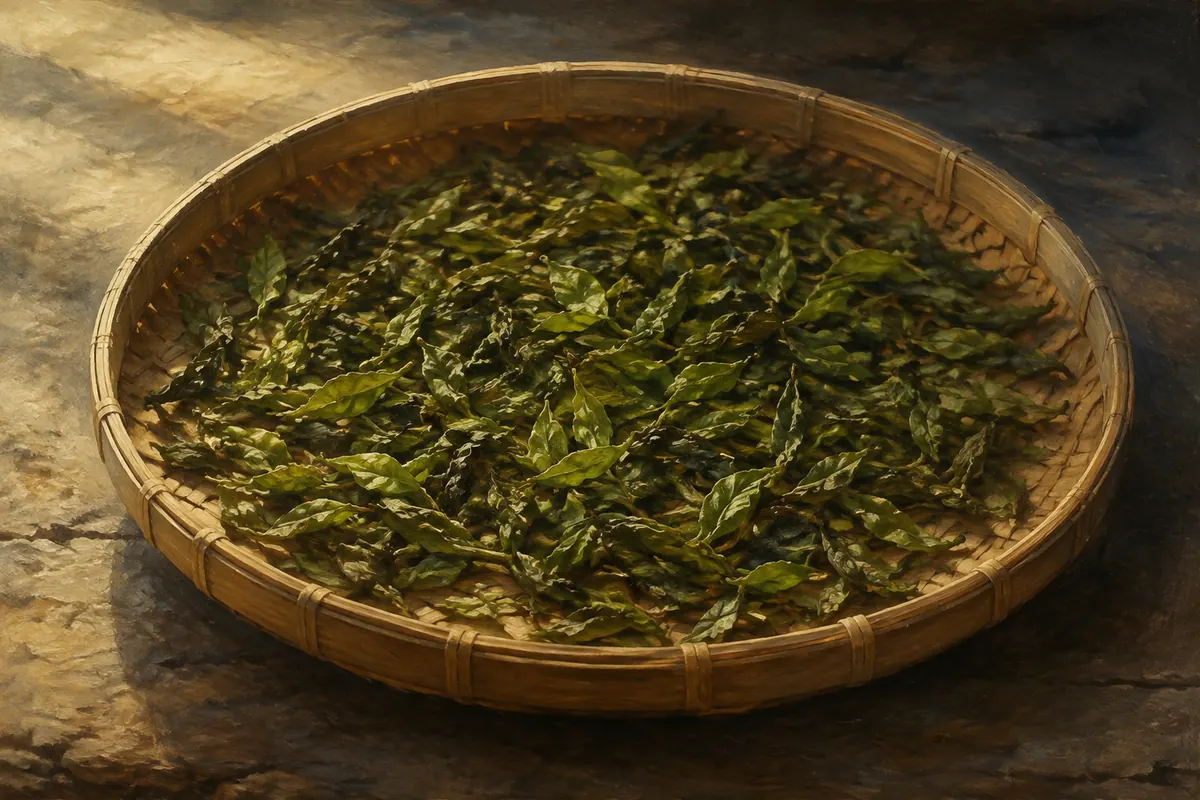
Tea is demanding after harvest. Leaf must reach a factory quickly, and the machinery for withering, rolling, oxidation and drying must run reliably. When cooperative finance and factory capacity falter, a remote grower cannot simply hold fresh leaf for a better market.
Peru's tea sector contracted as infrastructure aged and imported tea competed on price. Coffee and cacao offered other markets. Some fields were abandoned; others survived as a mixed part of small farms. Knowledge remained, but the chain connecting picker, factory and buyer became thin.
What revival could look like
Huyro has assets that cannot be manufactured by branding: old tea plants, a century of local memory, hand-plucking skill and a landscape with a recognisable name. Peruvian research projects have explored better processing, ecological tourism and a formal denomination of origin for the tea.
The opportunity is not to compete with commodity tea by volume. It is to separate careful lots by garden and season, shorten the journey from field to factory, and make the origin legible. Small batches could include orthodox black tea, green tea and lightly oxidised styles, but consistency must come before novelty.
How Huyro tea tastes
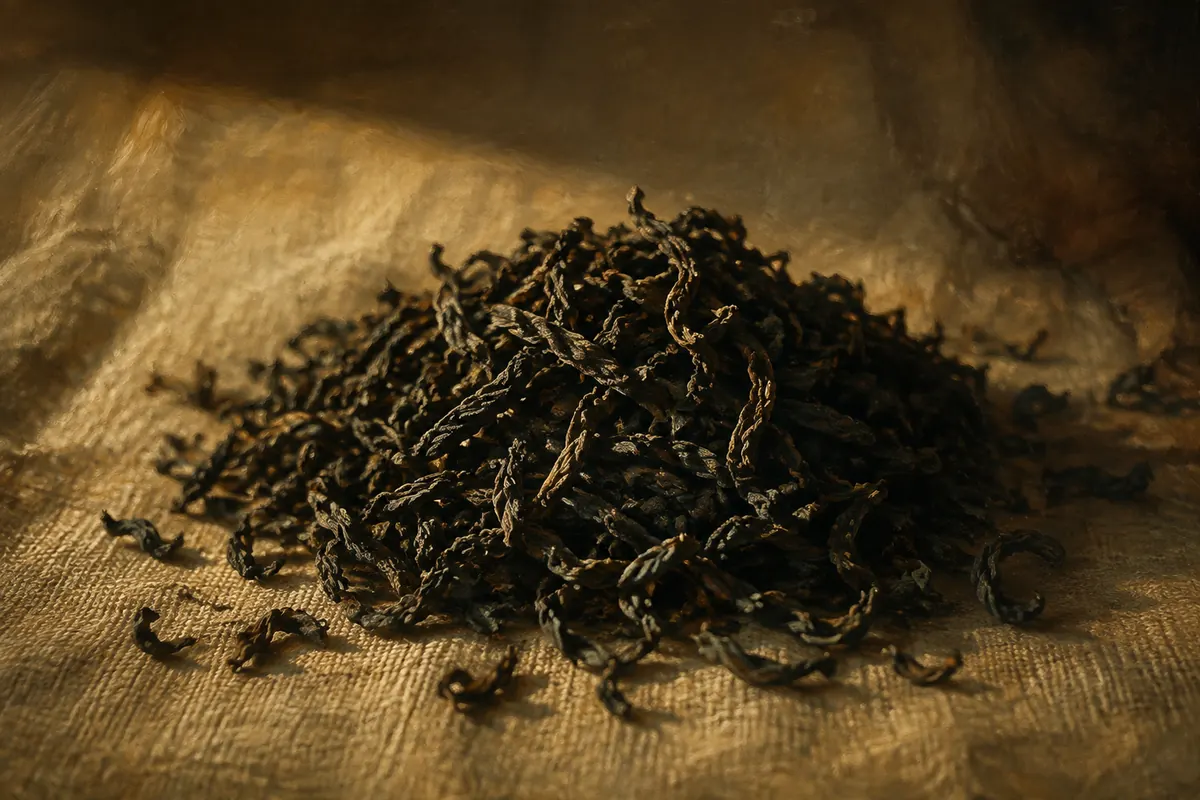
Traditional Huyro black tea is broad-leafed, full-bodied and direct. Expect dark honey, dried fruit, warm wood and a brisk red-amber cup rather than the high perfume of a Himalayan first flush. Better whole-leaf lots should finish clean, without the flat dustiness of an over-broken tea.
- Leaf: 3 g per 250 ml.
- Water: 95 °C / 203 °F.
- Time: 3–4 minutes.
- Serve: plain first; stronger lots can take milk or panela.
When buying, look for Huayopata or Huyro as the stated origin, a harvest year and enough leaf information to distinguish tea from a generic Peruvian blend.
Between two worlds
The Lucumayo valley is a threshold. Above it are glaciers, dry highland light and the old Inca roads around Cusco. Below it begins the humid forest of the Amazon watershed. Tea grows in the middle, where warm air climbs into cloud.
That vertical landscape makes Huyro one of the most unusual tea origins in the Americas. Its future depends less on discovering tea than on rebuilding the confidence, machinery and market around a crop the valley has known since 1913.
Frequently asked questions
Is tea grown in Peru?
Yes. Tea has been cultivated around Huyro in the Huayopata district of Cusco since at least 1913. The Lucumayo valley became one of Peru's principal tea-growing areas and still produces black tea today.
Where is Huyro tea grown?
Huyro lies in Huayopata, La Convención province, in the Cusco region. The tea grows in the Lucumayo river basin where the high Andes descend into humid Amazonian cloud forest.
When did Peru begin producing tea?
Peru's government reported tea successfully acclimatised at Huyro in 1913. A black-tea factory opened at Huyro in 1943, supporting the later growth of local cooperatives and regional production.
Why did the Huyro tea industry decline?
Ageing factories, weakened cooperative infrastructure, competition from imported tea and the growth of alternative crops all played a part. Fresh leaf must be processed quickly, so unreliable local factory capacity is especially damaging.
What does Peruvian black tea taste like?
Traditional Huyro black tea is full-bodied and brisk, with dark honey, dried fruit, warm wood and a red-amber liquor. Whole-leaf small batches can be cleaner and more aromatic than heavily broken commodity grades.
How should Huyro black tea be brewed?
Use about 3 g per 250 ml with water at 95 °C for 3–4 minutes. Taste it plain first; stronger lots can also take milk or panela.
