

Every great tea is born of a river
Essays on the world's great tea rivers — the valleys they carved, the regions they feed, and the teas that could only have grown there.
Foundations
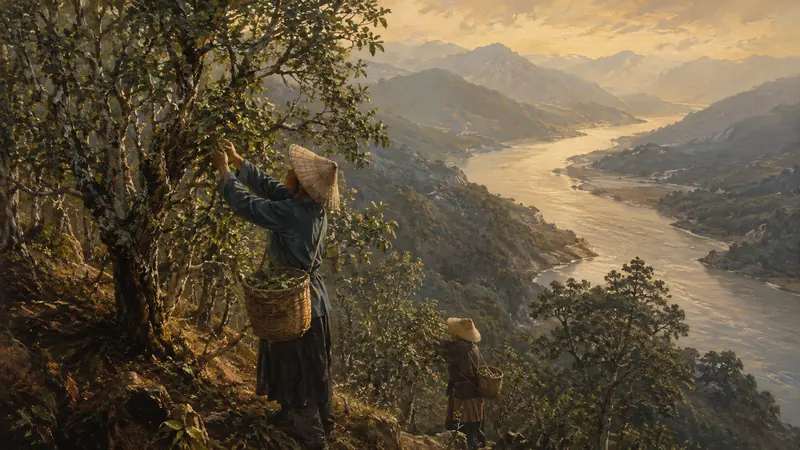
The History of Tea: From a Wild Yunnan Leaf to the World's Second Drink
Every cup you drink descends from a single species growing wild on the hills of southwest China. This is how it reached the rest of the world.
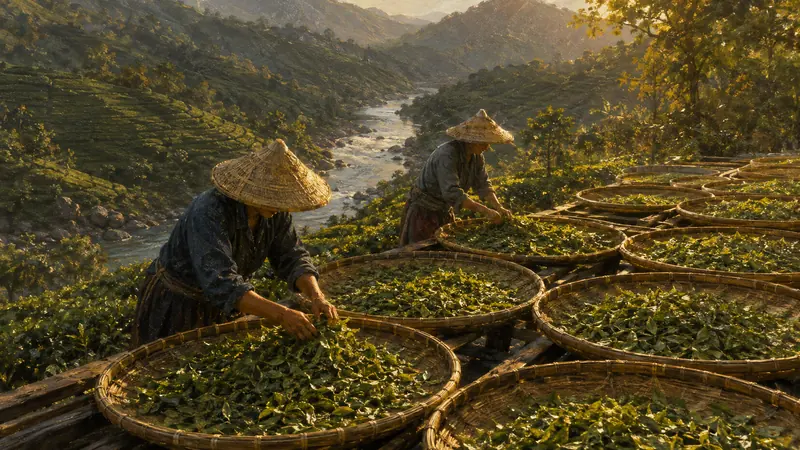
The Six Types of Tea: White, Green, Yellow, Oolong, Black and Dark
White, green, yellow, oolong, black and dark tea all come from the same plant. What separates them is what happens in the hours after picking.
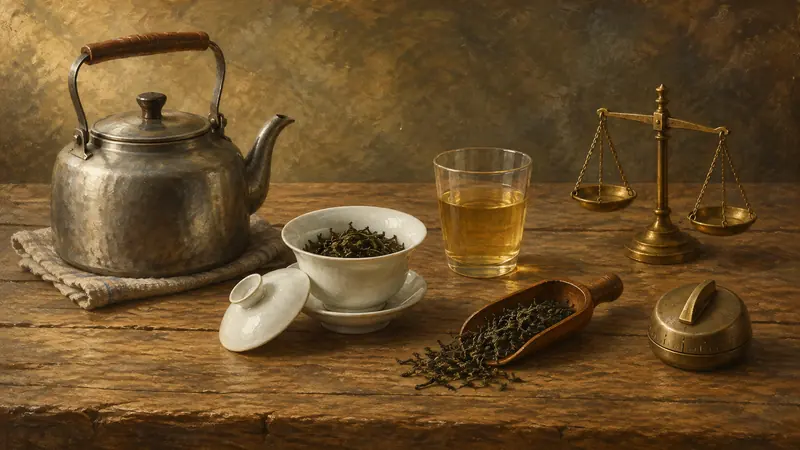
How to Brew Tea Properly: Water, Temperature, Leaf and Time
Five variables decide what ends up in the cup, and four of them cost nothing to fix. This is the practical version.
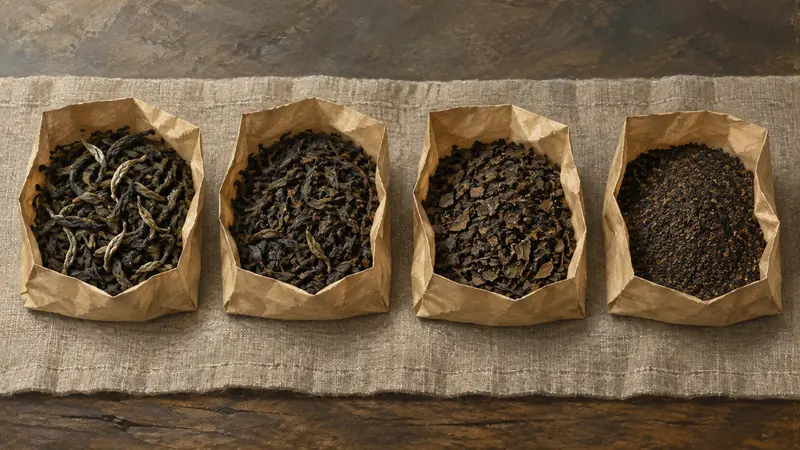
How to Buy Good Loose Leaf Tea: Grade, Freshness and What You Pay For
A £40 tin can hold commodity leaf with a luxury label. What separates good tea from expensive tea is visible, once you know where to look.
Rivers of tea
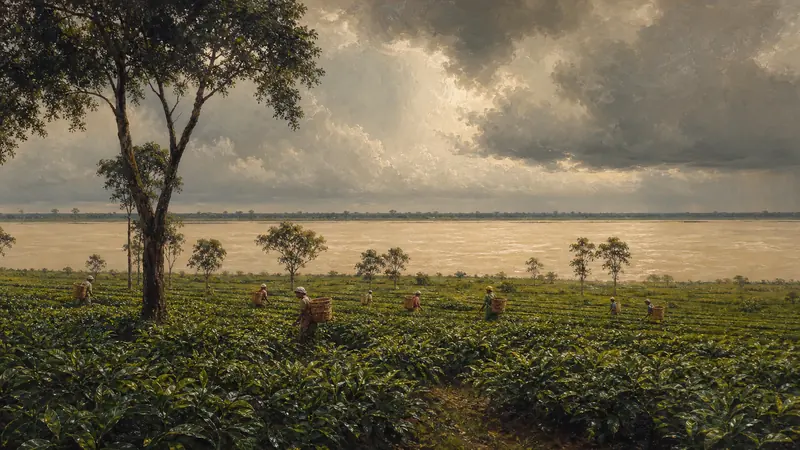
The Brahmaputra: How the World's Boldest Black Tea Grew on a Floodplain
Assam is the largest tea-growing region on earth, and it exists because a Himalayan river drops its load of silt across a valley every single year.
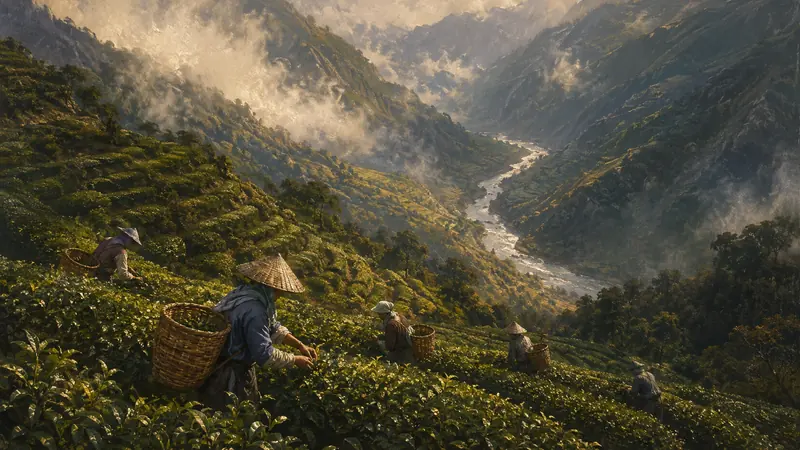
The Teesta: The Himalayan River Behind the Champagne of Teas
Darjeeling makes barely five million kilos of tea a year. The world drinks far more than that under its name.
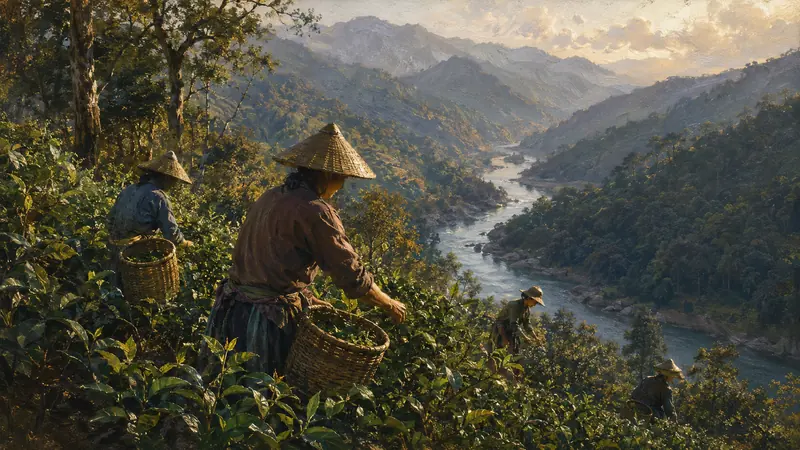
The Mekong: Following the Lancang to the Birthplace of Tea
If tea has a homeland, it is the mountain forests either side of the Lancang — the river the rest of the world calls the Mekong.
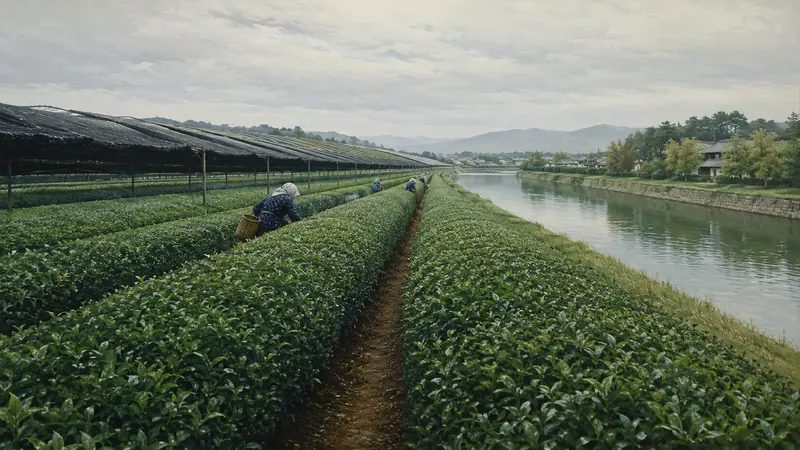
The Uji River: Where Japan Learned to Shade Its Tea
Matcha exists because a monk brought seeds from China, and because the Uji valley holds its morning fog long enough to shade a leaf.
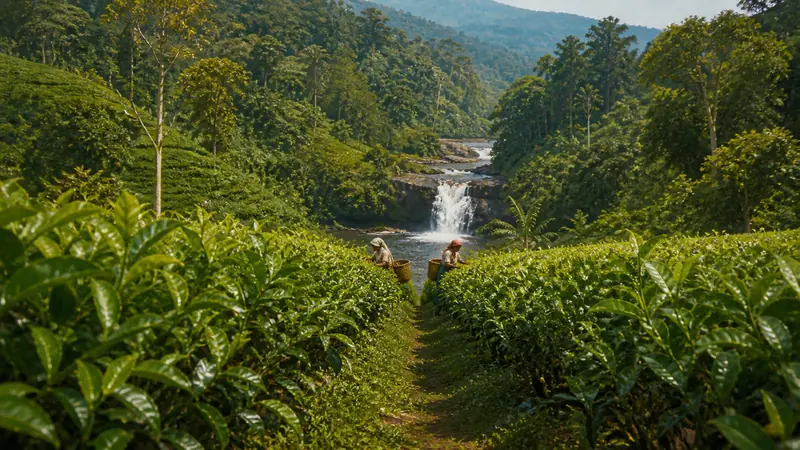
The Mahaweli: How a Fungus Turned Ceylon Into a Tea Island
Ceylon tea is the accident of a plant disease. In 1869 a fungus arrived, and within thirty years the island had changed crops entirely.
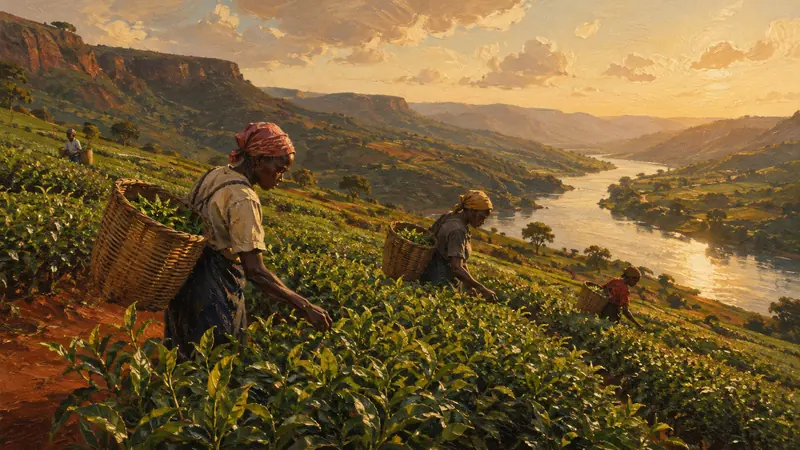
The Nile: The World's Biggest Tea Exporter Sits at Its Source
Kenya produces less tea than China or India — and exports more than either. Almost all of it grows in the highlands that feed the White Nile.
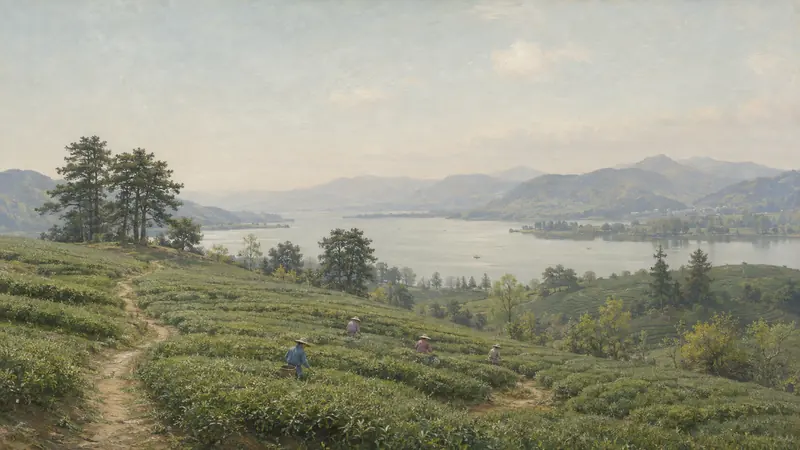
The Yangtze Delta: Dragon Well, West Lake and China's Most Famous Green Tea
Longjing is flattened by hand against the wall of a hot wok. The technique is 600 years old and it is why the tea tastes of chestnut.
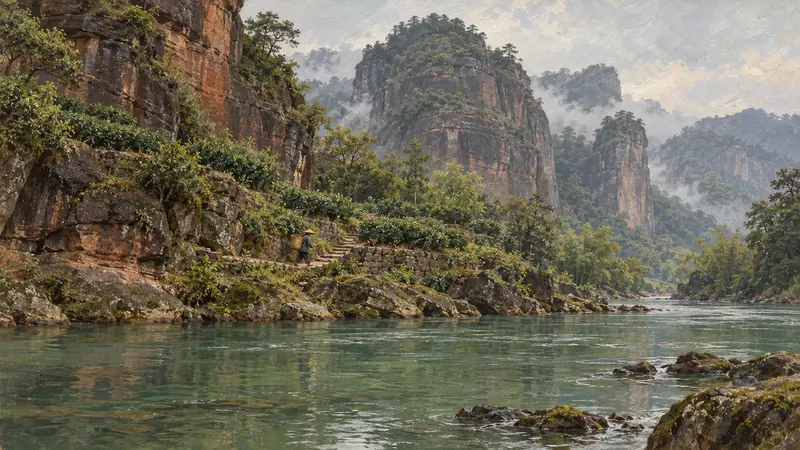
The Min: Why Wuyi Oolong Tastes Like Rock and Fire
In Wuyi, tea bushes occupy ledges between sheer cliffs. The landscape gives the tea its name; the making gives it fire.
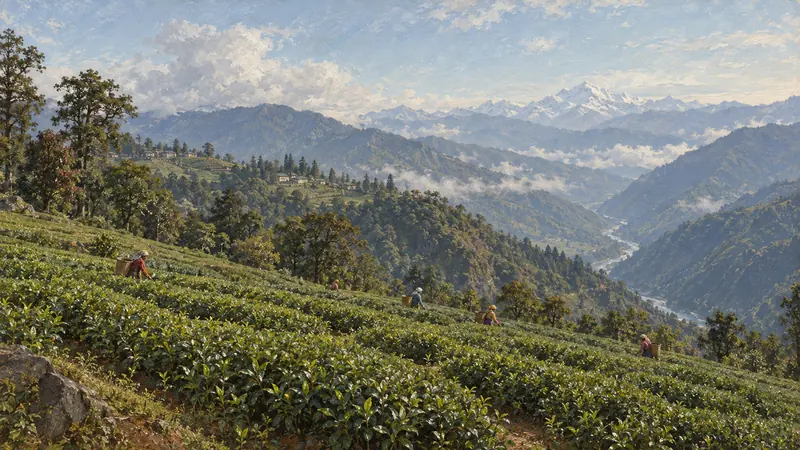
The Rangit: Sikkim's One Tea Garden on a Himalayan Shoulder
Darjeeling has dozens of estates. Across the Rangit, Sikkim built one — a high, compact garden whose name now stands for an entire state's tea.
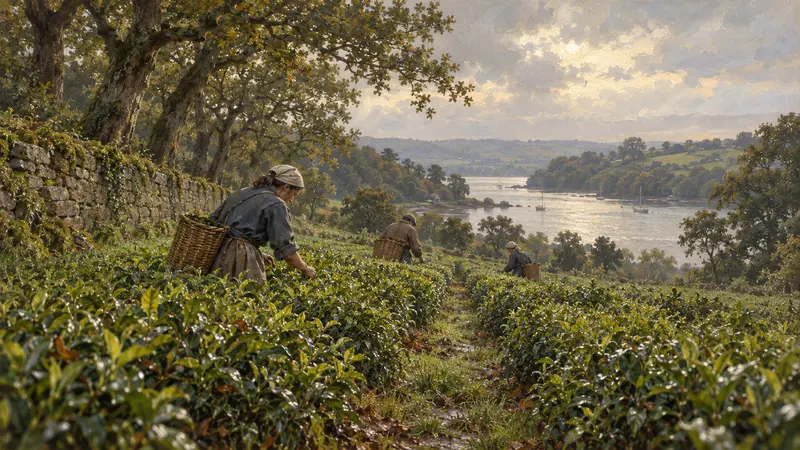
The Fal: How Britain Grew Its First Homegrown Tea in Cornwall
Britain built an empire around tea without growing it. Then a Cornish estate noticed that the same damp air sheltering its camellias might shelter tea.
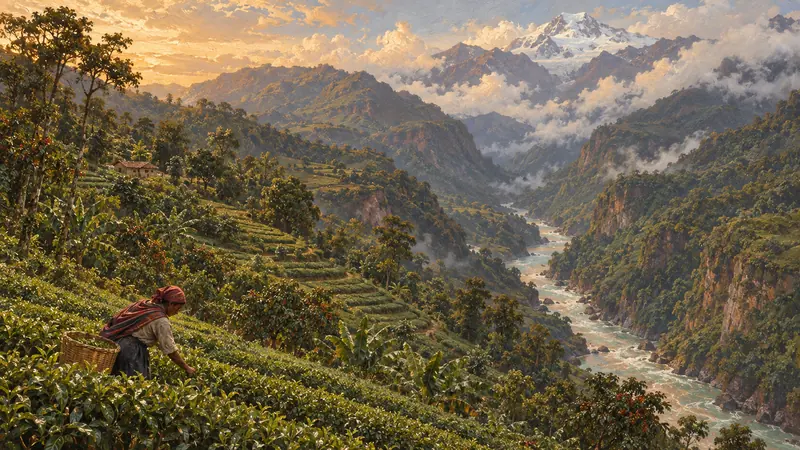
The Lucumayo: Peru's Tea Valley Between the Andes and Amazon
On the road from the high Andes into the Amazon basin, tea grows beside coffee, cacao and fruit. Huyro has been making it for more than a century.
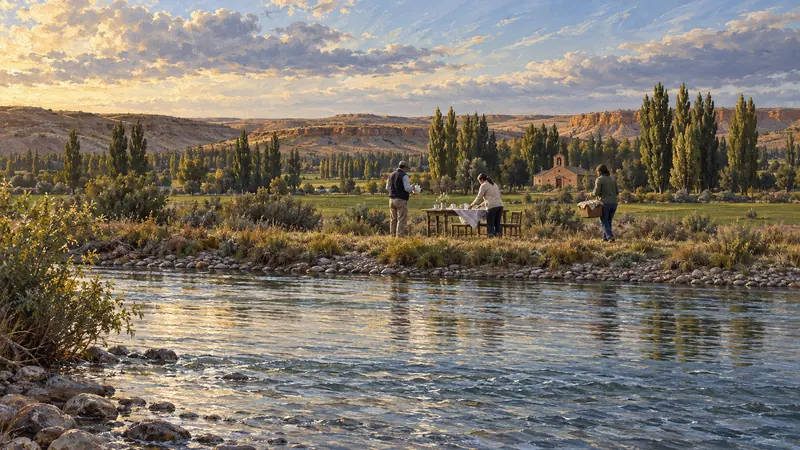
The Chubut: How Welsh Tea Took Root in Patagonia
Tea is not grown in Gaiman. Yet beside the Chubut River, Welsh settlers made afternoon tea one of Patagonia's most enduring shared rituals.
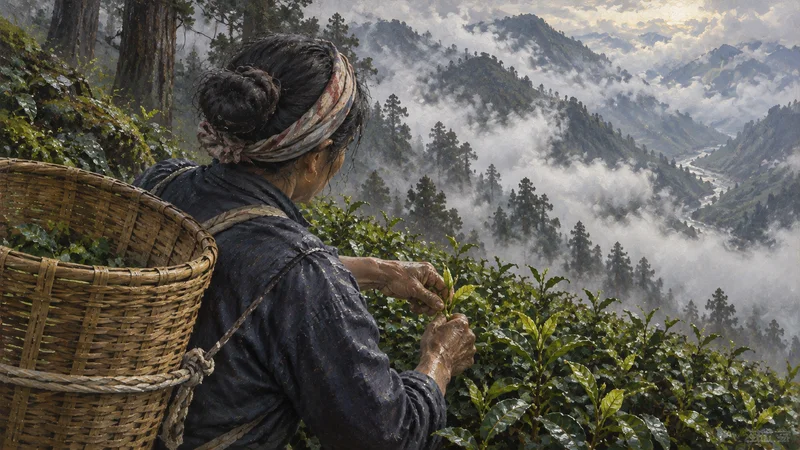
The Zengwen: Alishan Oolong Above a River of Cloud
The Zengwen begins high in Alishan. Above its headwaters, tea gardens sit in cool mist and turn thick mountain leaf into fragrant, tightly rolled oolong.

The Rivers Collection
Seven rivers, seven teas. Our own single-origin line launches with the Tea River shop. Join the list and taste it first.